How High-Performing Teams Work
 Team Management Profile
TMS Global Research Paper — Nine principles that define how high-performing teams work
Behind every high-performing team is something deeper than hard work. It’s alignment. It’s clarity. It’s a shared rhythm.
At TMS Global, we’ve spent decades exploring what makes teams thrive and what holds them back. The ideas that follow reflect the principles and patterns that help people work better, together.
Whether you lead a team or contribute to one, this is a strategic view of what great teamwork looks like in practice.
We believe…
1. Team energy is the currency of performance
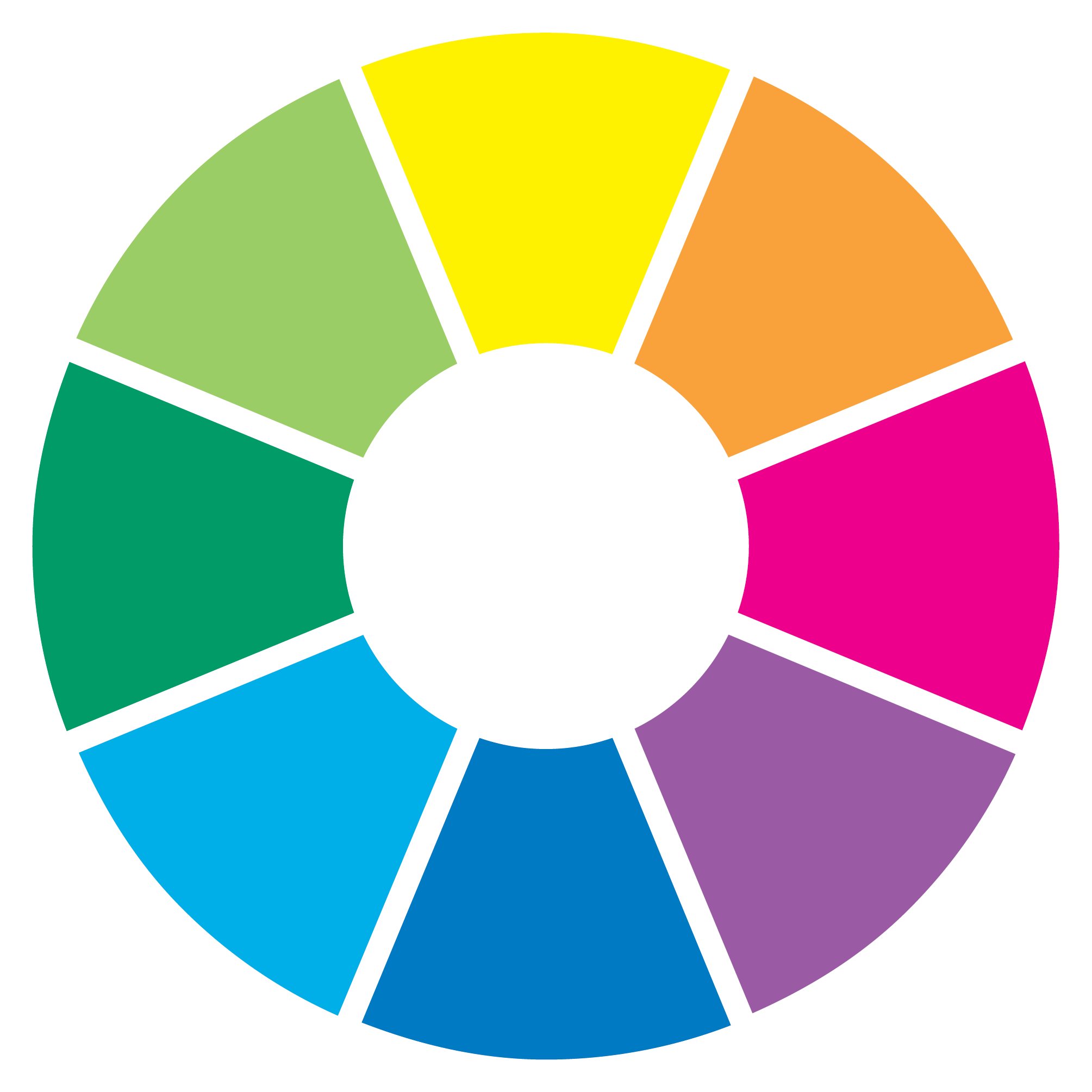
High-performing teams don’t just work hard—they work aligned. By understanding how work is naturally energized across the eight Types of Work, teams move from siloed effort to coordinated momentum.
2. Strategic balance beats singular bias
Outcome-focused teams adapt their mindset to context. The Risk Orientation Model enables teams to shift fluently between pursuing opportunities and interrogating obstacles, matching risk approach to business reality.
3. Shared values align action with purpose
When team values are visible and embedded, decisions accelerate and tensions ease. The Window on Work Values Model makes alignment a practical driver of engagement and cohesion—not just culture statements.
4. Coordination is the competitive advantage
In high-performing teams, Linking isn’t optional; it’s the engine. Integrating people, process, and purpose through effective Linking Skills transforms intention into execution.
5. Performance is a team metric
Cohesion, clarity, and progress are not abstract ideas, they’re measurable dynamics. High-Energy Teams track what matters, reflect often, and adjust as a system.
6. Insight is the spark. Rituals are the system
Profiles create awareness, but strategy lives in the team’s rhythm. In structured reflection, shared habits, and deliberate interactions that compound over time.
7. Diversity of role is strategic fuel
There is no ideal team shape, only the most effective alignment. When teams map and manage work preferences, values, and risk orientations, they unlock collective agility and decision quality.
8. Tools don’t transform. Dialogue does
Profiles provide the insight. But it’s structured team conversations that drive iteration, recalibration, and growth. Insight without dialogue is untapped potential.
9. Hybrid is not a constraint. It’s a strategic configuration
Today’s teams blend skills, roles, technologies, and contexts. TMS Global acts as the operating framework, bringing shared language, measurable dynamics, and alignment to the complexity of modern teamwork.